November 1, 2026
Heating, ventilation, and air conditioning systems play an essential role in keeping homes and businesses comfortable throughout the year. However, traditional HVAC equipment can consume substantial amounts of energy and rely on refrigerants that contribute to environmental concerns. As energy costs rise and sustainability becomes a greater priority, HVAC companies are exploring more environmentally friendly solutions that balance comfort, efficiency, and responsible resource use.
Growing Awareness of HVAC's Environmental Impact
Heating and cooling systems affect the environment in several ways. Conventional equipment may consume significant electricity or fuel, particularly when it operates inefficiently or serves a building with poor insulation. The energy used to maintain indoor temperatures contributes to overall energy demand, while certain refrigerants can have a substantial impact on climate change if released into the atmosphere.
These concerns have encouraged HVAC companies to reconsider the equipment and services they offer. Customers increasingly want systems that deliver dependable comfort without unnecessary energy waste. Businesses are also paying closer attention to operating expenses, environmental goals, and applicable efficiency requirements when selecting heating and cooling solutions.
Environment-friendly HVAC solutions address these priorities through improved equipment design, responsible refrigerant management, and better control over energy consumption. Although no heating or cooling system is completely without environmental impact, modern technologies can help reduce emissions and resource use when appropriately selected and installed.
Adopting More Energy-Efficient Equipment
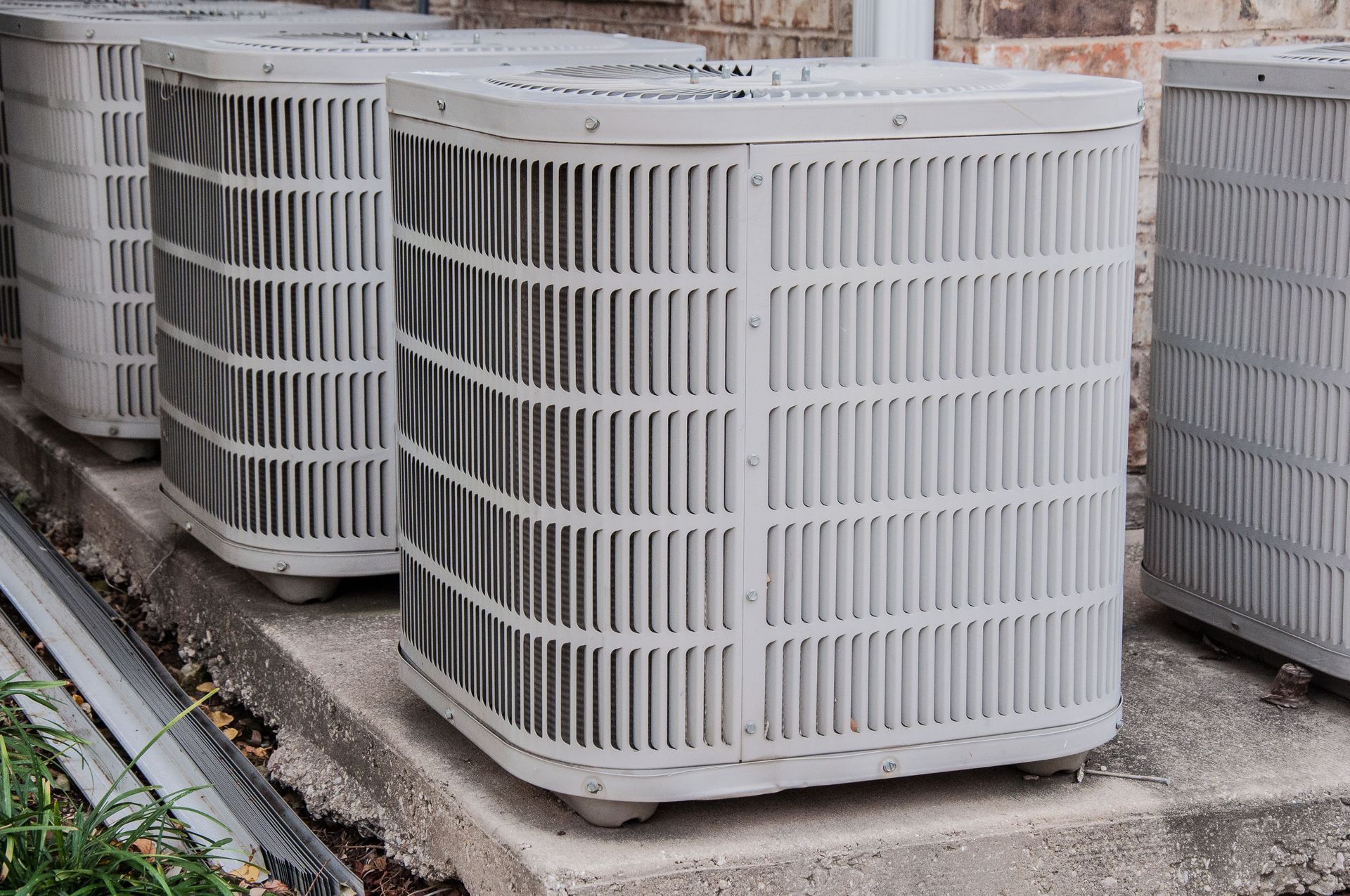
One of the most important changes in the HVAC industry is the growing emphasis on energy-efficient equipment. Modern furnaces, air conditioners, and heat pumps are designed to deliver heating or cooling while using energy more effectively than many older models. Improvements in compressors, motors, heat exchangers, and control systems help reduce unnecessary consumption.
High-efficiency equipment can be especially valuable in buildings where heating and cooling account for a substantial share of utility expenses. When a system operates efficiently, property owners may be able to maintain comfortable indoor temperatures while using less electricity or fuel. Actual savings depend on the existing equipment, climate, building characteristics, and household usage.
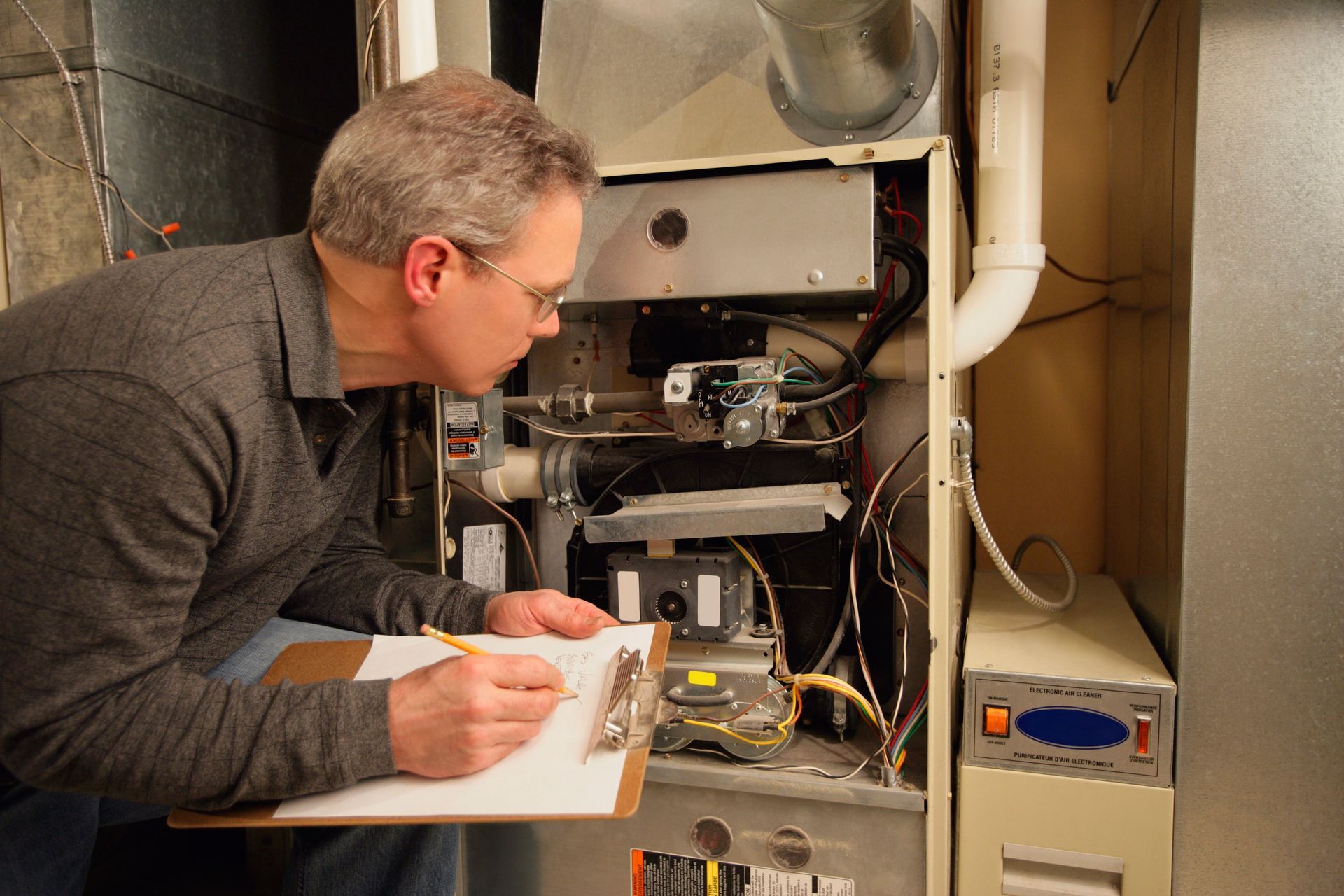
HVAC companies help customers compare equipment ratings and select systems that suit their needs. They can also evaluate whether an older unit is approaching the point when replacement may be more practical than continued repairs. Choosing equipment based on an accurate assessment helps prevent oversized equipment, which can contribute to inefficient operation and inconsistent comfort.
Expanding the Use of Heat Pump Technology
Heat pumps have become an important part of the industry's shift toward more environmentally conscious heating and cooling. Instead of generating heat through combustion, these systems transfer heat from one location to another. In winter, an air-source heat pump extracts heat from outdoor air and transfers it indoors. During warmer weather, the process reverses to remove indoor heat.
Because heat pumps move heat rather than relying entirely on direct heat generation, they can deliver more thermal energy than the electrical energy they consume under suitable operating conditions. Their efficiency varies with outdoor temperatures, equipment design, installation quality, and the home's heating requirements.
Modern cold-climate heat pumps are designed to provide useful heating even when outdoor temperatures fall considerably. However, homeowners in colder regions should discuss system performance, backup heating requirements, and expected operating costs with an experienced HVAC contractor before choosing a model.
Transitioning to Refrigerants With Lower Environmental Impact
Refrigerants are essential to the operation of air conditioners, heat pumps, and many other cooling systems. However, some commonly used refrigerants have a high global warming potential, meaning that releases into the atmosphere can contribute significantly to climate change. As regulations evolve, HVAC companies are adapting to refrigerants with lower environmental impacts.
According to WebFX, the EPA has a program on HFC phase-down, aiming to reduce HFC production and use by 85% in 2036. This transition is encouraging changes in equipment manufacturing, refrigerant handling, technician training, and service procedures across the HVAC industry.
Newer refrigerants can offer environmental advantages, but their suitability depends on the equipment's design and applicable safety requirements. Some alternatives have different flammability characteristics or operating pressures, which means technicians must understand the specific requirements of the systems they service.
HVAC companies are responding by updating their training, tools, and installation practices. They must also help customers understand that refrigerants are not interchangeable across all equipment. When replacing an older air conditioner or heat pump, property owners should select a compatible system rather than assuming a new refrigerant can simply be introduced into an existing unit.
Installing Smart Thermostats and Advanced Controls
Smart thermostats and advanced HVAC controls help property owners manage indoor temperatures with greater precision. Depending on the model, these devices can adjust settings according to schedules, occupancy patterns, or temperature preferences. Some systems also offer remote access, allowing users to make adjustments when they are away from home.
Better control can reduce unnecessary heating and cooling when buildings are unoccupied. For example, a household may schedule a modest temperature adjustment during working hours and return to its preferred settings before occupants arrive home. The potential benefit depends on how the system is configured and how occupants use the controls.
HVAC companies can help customers determine which controls are compatible with their existing equipment and whether upgrading them would provide meaningful benefits. Proper setup is important because complicated schedules or incorrect settings can prevent a system from operating as intended.
Improving Indoor Air Quality Responsibly
Environment-friendly HVAC solutions are not limited to reducing energy consumption. Indoor air quality is another important consideration because homes and workplaces can accumulate dust, pollen, moisture, and other airborne contaminants. Ventilation, filtration, and humidity control help create more comfortable indoor environments when properly designed and maintained.
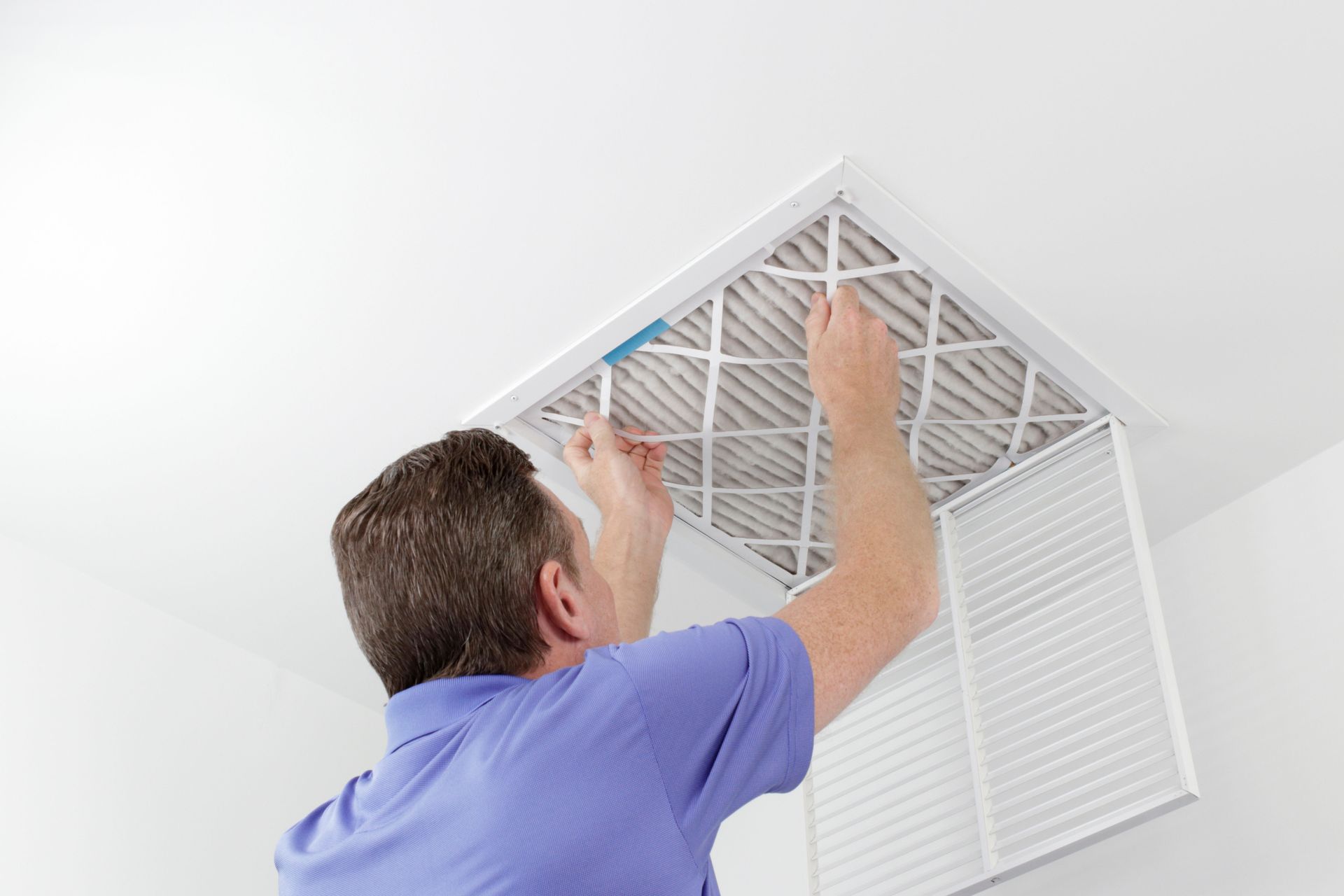
HVAC companies can recommend suitable filtration options, inspect ventilation systems, and identify problems that may affect airflow. Depending on the building, improvements may include correcting blocked vents, addressing excessive humidity, or introducing appropriate amounts of outdoor air.
Helping Customers Reduce Energy Waste
HVAC contractors increasingly consider the building as a whole when recommending environmentally conscious improvements. Heating and cooling equipment cannot operate efficiently if a property continually loses conditioned air through gaps, inadequate insulation, or poorly sealed ductwork.
Air sealing and insulation improvements can reduce the amount of heating and cooling required to maintain comfortable indoor temperatures. When less conditioned air escapes, equipment may run less frequently or operate under less demanding conditions. These improvements can also help reduce uncomfortable drafts and temperature differences between rooms.
Ductwork deserves particular attention in homes and commercial buildings that use forced-air systems. Leaks, damaged connections, and restricted airflow can undermine system performance. An HVAC professional can assess whether duct sealing, balancing, or other improvements are appropriate for the property.
Adapting to Environmental Regulations and Industry Changes
Environmental regulations influence which HVAC systems can be manufactured, sold, installed, and serviced. Requirements involving equipment efficiency, refrigerants, and installation practices continue to shape industry decisions. HVAC companies must stay informed so their recommendations align with current rules and applicable deadlines.
Adapting to these changes requires investment in technician education, updated equipment, specialized tools, and revised service procedures. Contractors working with newer refrigerants may need additional training to understand their handling requirements and associated safety precautions.
Staying current also helps companies guide customers through replacement decisions. Homeowners may have questions about older equipment, future service availability, or whether a new system is compatible with existing components. Clear explanations can reduce uncertainty and help customers understand the practical implications of an upgrade.
Environment-friendly HVAC solutions are most effective when equipment, installation, building conditions, and maintenance work together. By focusing on practical improvements rather than one-size-fits-all upgrades, HVAC companies can help customers reduce waste, manage energy expenses, and support a more sustainable approach to indoor comfort. For those in Covington, GA and nearby communities, contact our team at Gregg Cowan Heating & Air Inc today!