November 28, 2026
A new heating and cooling system should deliver consistent comfort while operating as efficiently as possible. However, even high-quality equipment can struggle when conditioned air escapes through poorly connected or inadequately sealed ductwork. During HVAC installation, sealing duct joints, connections, and openings helps ensure heated and cooled air reaches the rooms where it is needed. Understanding these techniques can help homeowners recognize why proper ductwork preparation is an important part of a successful system installation.
Understanding Why Proper Duct Sealing Matters
Ductwork transports conditioned air from the heating and cooling equipment throughout a home. When connections are loose, or seams are improperly sealed, heated or cooled air can escape before reaching its intended destination. These leaks may force the system to operate longer to maintain the thermostat setting, increasing energy consumption and reducing indoor comfort.
According to the U.S. Department of Energy, properly sealed heating and cooling ducts can reduce utility bills by up to 20%, improve comfort, and limit the movement of dust, moisture, and pollen through the system. These benefits demonstrate why duct sealing deserves attention during new HVAC installation rather than being treated as an optional finishing step.
Poorly sealed return ducts can also draw unwanted air from attics, crawl spaces, or other unconditioned areas. This air may contain dust and other contaminants that affect indoor air quality. Addressing potential leaks during installation helps create a more reliable path for conditioned air.
Inspecting Ductwork Before Connecting Components
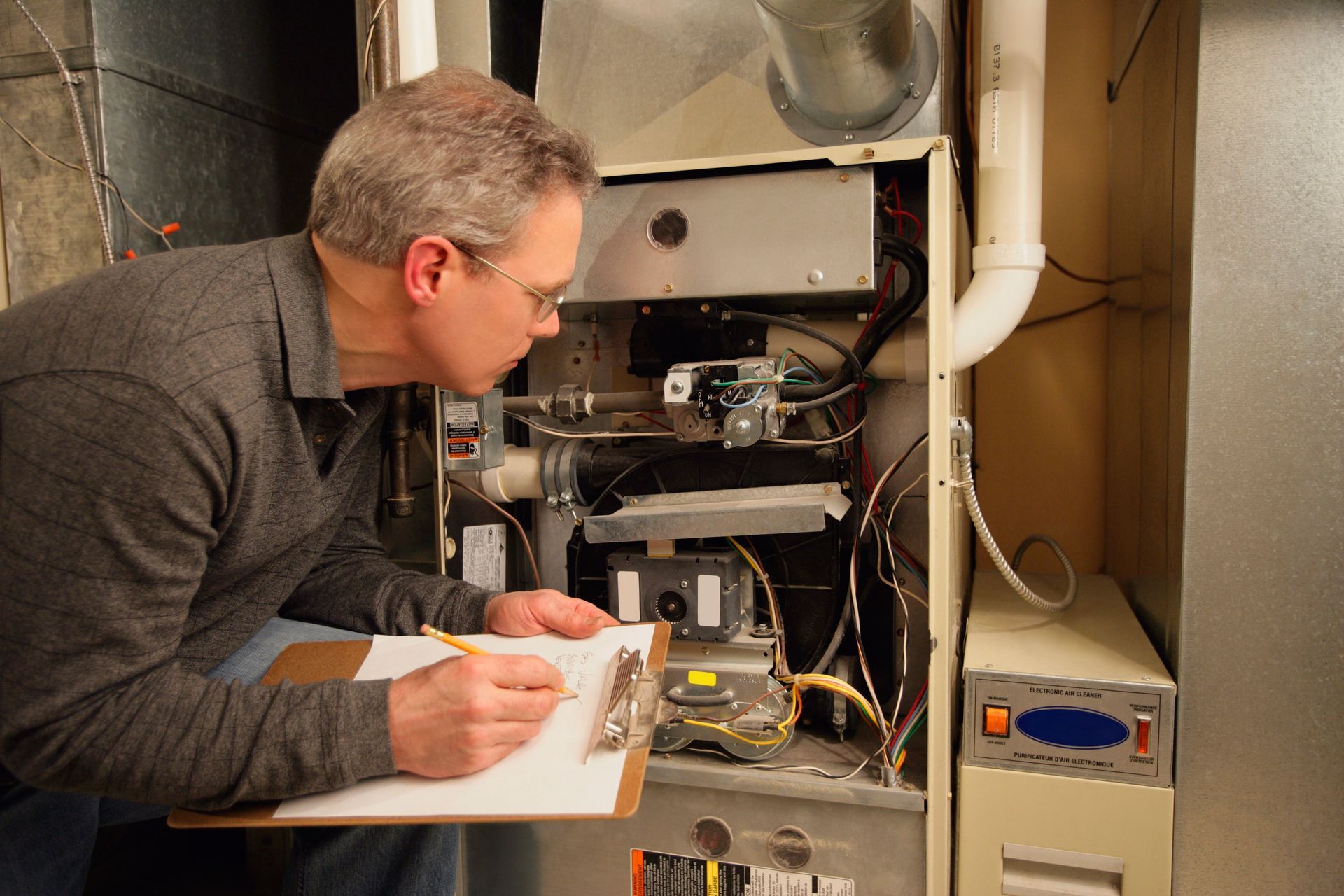
Before sealing ductwork, technicians need to evaluate the layout and condition of the materials. Even new duct systems can develop problems if sections are incorrectly aligned, damaged during handling, or connected without adequate support.
A thorough inspection should include:
- Checking Duct Alignment: Sections should connect properly without unnecessary bends or gaps that restrict airflow.
- Examining Seams and Joints: Technicians should identify openings where duct sections meet or connect to other components.
- Inspecting Equipment Connections: Supply and return connections at the air handler should fit securely.
- Evaluating Duct Supports: Properly positioned hangers and supports help prevent sagging, separation, and unnecessary strain.
- Reviewing Insulation: Ducts located in unconditioned areas may need insulation to reduce unwanted heat transfer.
These checks help installers identify potential problems before the system is fully operational. During HVAC installation, addressing these details can reduce the likelihood of airflow and efficiency concerns after the equipment is running.
Applying Mastic Sealant to Duct Connections
Mastic sealant is commonly used to close gaps around duct joints, seams, and connections. This thick, paste-like material is applied directly to the appropriate surfaces and forms a durable seal as it dries. It is particularly useful for irregular openings where a flexible sealing material can provide better coverage than tape alone.
Technicians typically apply mastic to clean duct surfaces around connections, seams, and transitions. Larger gaps may require additional reinforcement, such as approved mesh, before the sealant is applied. Following manufacturer recommendations helps ensure the material adheres properly and creates an effective barrier against air leakage.
Mastic is commonly used on metal ductwork and other compatible duct materials. However, the appropriate product depends on the system's construction and the manufacturer's specifications. During HVAC installation, choosing compatible materials is important for creating durable connections that can withstand normal system operation.
Using Approved Foil Tape for Duct Sealing
Specialized foil tape provides another option for sealing certain duct connections. Unlike ordinary household tape, HVAC-approved foil tape is designed to withstand temperature changes and the conditions associated with heating and cooling systems.
Installers may use approved tape to seal specific seams, joints, and connections where the product is compatible with the duct material. Proper surface preparation is important because dust, moisture, and residue can interfere with adhesion.
The tape should be applied smoothly, with sufficient coverage to prevent gaps along the connection. Technicians must also follow the product's application requirements and relevant building standards.
Ordinary cloth-backed duct tape is not an appropriate substitute for approved HVAC sealing products. It can deteriorate over time, allowing previously sealed areas to develop leaks. Using materials designed specifically for ductwork helps support long-term performance.
Sealing Air Handler and Register Connections
Duct sealing involves more than joining individual duct sections. Connections between the duct system, air handler, and supply or return registers also require attention. Gaps around these transition points can allow conditioned air to escape or draw unwanted air into the system.
The air handler cabinet should connect securely to the supply and return ductwork. Register boots, which connect ducts to the vents in walls, floors, or ceilings, should also be properly fitted and sealed where they meet surrounding surfaces.
These areas can be overlooked when installers focus primarily on long duct runs. However, small openings at multiple connection points can contribute to substantial air leakage. A careful approach to HVAC installation includes checking each transition and confirming that the finished duct system provides a secure airflow path.
Insulating Ductwork to Limit Heat Transfer
Sealing prevents air from escaping through gaps, while insulation helps reduce heat transfer through duct walls. Both measures contribute to effective heating and cooling distribution, particularly when ductwork passes through unconditioned spaces.
Attics, crawl spaces, and garages can experience temperatures that differ significantly from the conditioned areas of a home. Without appropriate insulation, heated air traveling through cold spaces may lose warmth, while cooled air moving through hot areas may gain heat before reaching the rooms.
The U.S. Department of Energy explains that insulation helps limit unwanted heat gain and loss while reducing the potential for condensation on duct surfaces.
The appropriate insulation level depends on duct location, local climate requirements, and applicable building codes. Installers should ensure insulation fits properly and that its protective vapor barrier remains intact. Combining sealing and insulation during HVAC installation helps improve the system's ability to deliver conditioned air efficiently.
Testing Ductwork After Completing Sealing
Completing the sealing work does not automatically confirm that every connection is airtight. Testing provides a way to evaluate duct performance and identify leaks that may not be visible during a visual inspection.
A duct leakage test uses specialized equipment to pressurize the duct system and measure the amount of air escaping through unintended openings. Technicians can use these results to determine whether additional sealing is necessary.
Airflow measurements are also important because a well-sealed duct system must still deliver the appropriate amount of air to each room. If airflow is restricted or unbalanced, additional adjustments may be needed.
The U.S. Department of Energy identifies post-installation testing as an important step in evaluating duct sealing results and confirming that airflow remains within acceptable limits. Including these checks helps verify the quality of HVAC installation work and supports reliable system operation.
Supporting Efficient Installation With Professional Work
Proper duct sealing is an important part of creating a heating and cooling system that performs as intended. Loose connections, poorly sealed seams, inadequate insulation, and overlooked transitions can all contribute to energy loss and inconsistent comfort. Using compatible sealants, approved foil tape, appropriate insulation, and post-installation testing helps address these concerns.
According to IBISWorld, the U.S. heating and air-conditioning contractor industry is projected to generate approximately $159.4 billion in revenue in 2026, reflecting the substantial demand for professional HVAC services. As homeowners invest in new equipment, attention to installation details remains essential for getting dependable performance from their systems.
Gregg Cowan Heating & Air Inc provides air conditioning and heating system installations, as well as specialized HVAC services, including ductwork modifications, throughout Covington, GA, and surrounding communities. With more than 40 years of combined experience, the licensed and insured team focuses on helping customers maintain comfortable indoor environments. Contact Gregg Cowan Heating & Air Inc today to discuss your HVAC installation needs and schedule professional service.